Watercolor Dahlia Flower Patterns: A Strategic Design Asset for Creative and Professional Projects
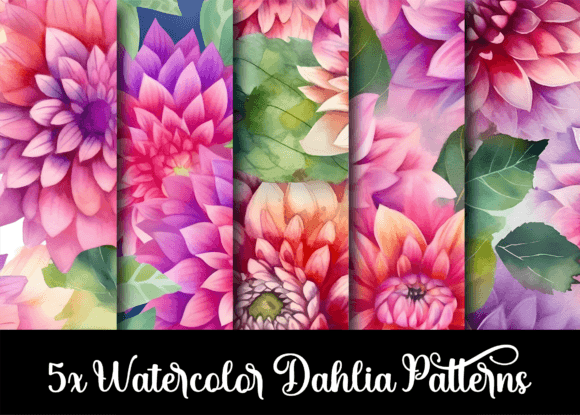
Watercolor Dahlia Flower Patterns offer a unique blend of artistic beauty and functional versatility, making them an essential resource for designers, creators, and professionals across multiple industries. These 5 high-quality patterns—each measuring 4096x4096px in JPG format—are more than just decorative elements; they are strategic tools that can enhance branding, improve communication, and elevate the visual appeal of various projects.
Elevating Design with Artistic Precision
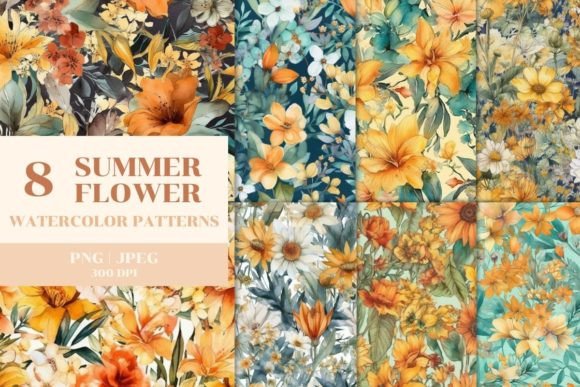
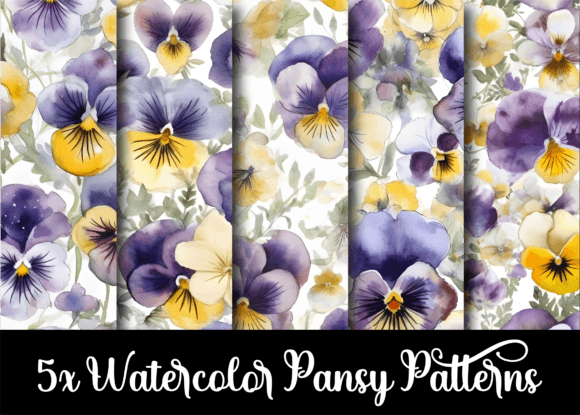
The Watercolor Dahlia Flower Patterns capture the delicate intricacy of dahlia blooms, rendered in soft, flowing watercolor strokes. Each pattern is surrounded by lush green leaves, adding depth and natural harmony to the design. This combination of vibrant flowers and organic foliage creates a sense of balance and sophistication that is both calming and visually engaging.
For creative professionals, these patterns provide a ready-made foundation for stationery, packaging, textiles, and digital graphics. The high resolution ensures crisp detail even when scaled up, making them suitable for both print and digital applications. Whether you're designing a wedding invitation, creating fabric prints, or developing brand assets, these patterns deliver professional-grade quality without the need for extensive illustration work.
Strategic Use Cases for Watercolor Dahlia Flower Patterns
- Brand Identity Development: Incorporate these patterns into logos, business cards, or marketing materials to establish a cohesive and elegant brand aesthetic.
- Product Packaging: Use the floral motifs to add a touch of nature and luxury to product boxes, labels, or wrapping paper.
- Interior Design: Apply the patterns to wall art, throw pillows, or curtains to create a serene and stylish living space.
- Digital Content Creation: Enhance blog headers, social media posts, or website backgrounds with these visually appealing designs.
- Custom Fabrication: Utilize the patterns as templates for embroidery, quilting, or textile printing to produce unique handmade items.
By thoughtfully integrating these patterns into your creative workflow, you can streamline the design process while maintaining a consistent visual language across all platforms.
Planning and Positioning with Purpose
Before incorporating Watercolor Dahlia Flower Patterns into any project, it's important to align their use with specific goals and positioning strategies. Consider the following questions:
- What message or emotion do I want to convey through this design?
- How does this pattern support my brand’s identity or product’s purpose?
- Will this pattern be used consistently across multiple channels or only in isolated instances?
- Does the pattern complement the overall color scheme and typography of the project?
Answering these questions helps ensure that the use of these patterns is intentional rather than arbitrary. For instance, if you're launching a new line of eco-friendly home goods, pairing the floral patterns with earthy tones and sustainable materials reinforces your brand’s values and enhances customer perception.
Practical Examples of Application
Imagine you're a small business owner looking to revamp your product packaging. By applying one of the Watercolor Dahlia Flower Patterns to your box design, you instantly elevate its visual appeal while communicating a sense of natural elegance. Pair this with minimalist typography and a muted color palette, and you have a cohesive look that stands out on store shelves.
Alternatively, consider using these patterns as background elements in a corporate presentation. The soft, flowing lines of the watercolor dahlia can help reduce visual fatigue while maintaining a professional tone. Just ensure the pattern doesn't overpower the content and remains subtle enough to support readability.
Risks and Considerations
While the Watercolor Dahlia Flower Patterns offer numerous benefits, there are risks associated with their misuse. Overusing the patterns or applying them to inappropriate contexts can dilute their impact and confuse your audience. For example, using a highly detailed floral pattern on a technical document might distract from the content rather than enhance it.
Another consideration is licensing. Always verify that you have the right to use the patterns in the way you intend. If you're planning to sell products featuring these designs, make sure the license allows for commercial use and includes any necessary permissions for reproduction or modification.
Additionally, consider the scalability of the patterns. While the 4096x4096px resolution is excellent for most purposes, some applications may require further customization or resizing. Be prepared to adjust the patterns as needed to fit your specific requirements.
Maximizing Long-Term Value
To maximize the long-term value of Watercolor Dahlia Flower Patterns, treat them as part of a broader design strategy. Rather than using them as standalone elements, integrate them into a larger visual system that supports your brand, messaging, and objectives.
Consider building a library of pattern variations or combining them with other design assets to create unique combinations. This approach not only increases flexibility but also allows you to maintain consistency across different projects and platforms.
Finally, keep an eye on trends and evolving design preferences. While watercolor patterns remain timeless, staying informed about current aesthetics can help you make more relevant and impactful design choices over time.
In conclusion, Watercolor Dahlia Flower Patterns are more than just beautiful artwork—they are powerful tools that can enhance creativity, support strategic goals, and drive better outcomes across a wide range of applications. With careful planning and thoughtful implementation, they can become a valuable asset in your creative and professional toolkit.